
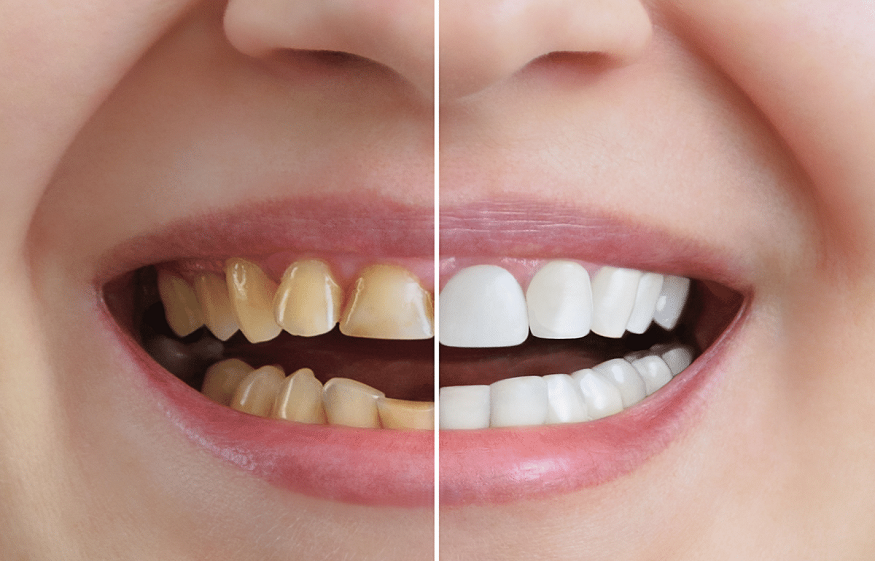
Smoking is well known for its harmful effects on overall health, but one of its most visible impacts is on your smile. The nicotine and tar in cigarettes easily cling to tooth enamel, leading to yellow or brown stains that can dull your appearance and affect confidence. The good news is that smoking stains on teeth can be reduced and, in many cases, removed with the right approach. Here’s a clear guide on how to do it safely and effectively.
Why Smoking Causes Stains
Cigarettes contain nicotine and tar. While nicotine is colourless, it turns yellow when exposed to oxygen. Tar is naturally dark. Together, they seep into the microscopic pores of your enamel and create stubborn stains over time. The longer and more frequently you smoke, the deeper these stains set in.
Professional Ways to Remove Smoking Stains
1. Professional Dental Cleaning
This is the most effective first step. Dentists use special tools to:
- Remove surface plaque and tartar
- Polish the enamel
- Lift most external smoking stains
Professional cleaning every 6 months can dramatically improve the appearance of stained teeth.
2. Teeth Whitening Treatments
For deeper stains:
- In-clinic whitening uses professional-grade bleaching agents for fast results.
- Dentist-approved home whitening kits gradually lighten teeth over 1–2 weeks.
These treatments can noticeably reverse years of smoking stains but should always be supervised by a dentist to avoid enamel damage.
At-Home Remedies to Reduce Smoking Stains
1. Brushing with the Right Toothpaste
Use a whitening toothpaste with mild abrasives that polish surface stains. Brush twice daily with proper technique to prevent new stains from setting in.
2. Baking Soda (Occasional Use Only)
Baking soda has gentle abrasive properties that can help lift surface stains. Use it once or twice a week only to avoid wearing down enamel.
3. Hydrogen Peroxide Rinse (With Caution)
A diluted hydrogen peroxide mouth rinse may help lighten stains. However, overuse can irritate gums and weaken enamel, so this should be used sparingly and with dental advice.
4. Eat Stain-Fighting Foods
Crunchy fruits and vegetables like:
- Apples
- Carrots
- Celery
These act as natural scrubbers, helping clean enamel while promoting saliva production to neutralise acids.
Habits That Help Prevent New Stains
Even after removing stains, prevention is key:
- Rinse your mouth after smoking
- Drink water frequently
- Avoid excessive coffee, tea, and red wine
- Brush after meals
- Use a straw for stain-causing beverages
- Quit or cut down on smoking
Stopping smoking not only prevents new stains but also improves gum health, breath, and overall oral hygiene.
What to Avoid
Some internet trends can do more harm than good:
- Charcoal powder daily – Highly abrasive
- Lemon or vinegar scrubs – Acid weakens enamel
- Hard brushing – Causes enamel erosion and gum recession
Once enamel is damaged, it does not grow back—so always choose gentle, dentist-approved methods.
When to See a Dentist
If:
- Stains do not improve with regular cleaning
- You notice gum bleeding or sensitivity
- Teeth appear unevenly discoloured
A dentist can identify whether the stains are external or deep within the tooth and recommend the safest treatment.
Conclusion
Smoking stains on teeth may be stubborn, but they are not permanent. With regular dental cleanings, proper oral hygiene, safe whitening methods, and reduced smoking habits, you can restore and maintain a brighter, healthier smile. The earlier you act, the easier it is to reverse the damage and the more confidently you can smile again.
Also read about: Quit Smoking Insomnia – Why does quitting cause insomnia