
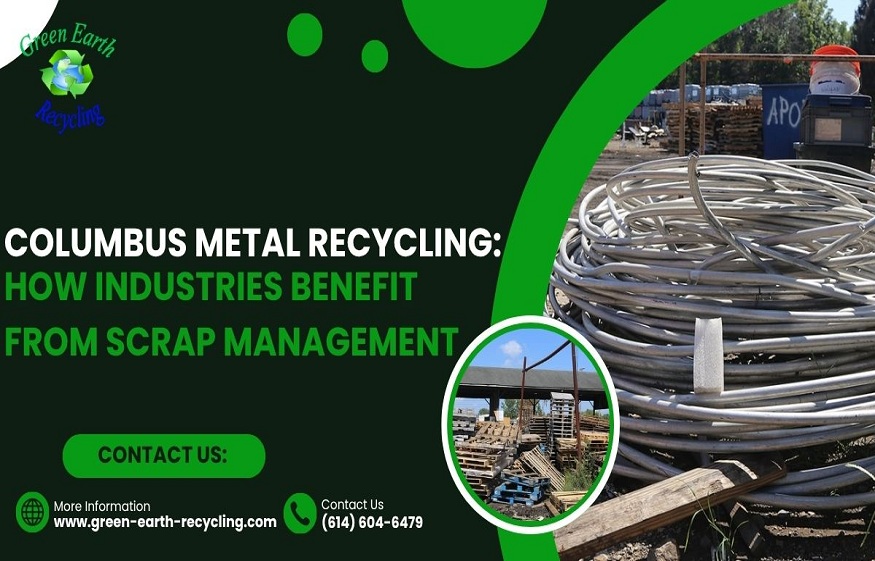
Every manufacturing floor, demolition site, and commercial fit-out generates metal waste, and most businesses are leaving money on the table by treating it as just that: waste.
Columbus metal recycling has grown into a genuinely practical solution for Ohio’s industrial sector, and the businesses making use of it are seeing measurable returns, not just feel-good outcomes.
The Real Cost of Ignoring Scrap
Metal accumulates fast. Steel offcuts from a fabrication run, copper wiring from a fit-out, aluminumswarf from a CNC machine -it piles up in corners, takes up floor space, and eventually becomes a disposal problem. Most businesses pay to have it removed when they could be recovering value from it instead.
Ferrous metals (iron-containing, such as steel and cast iron) and non-ferrous metals (aluminum, copper, brass, and stainless steel) carry different market values, and a good commercial recycling service will assess and pay for both. The difference between a proactive scrap strategy and a reactive one can easily amount to thousands of dollars per year for a mid-sized manufacturer.
Read More: The Growing Importance of Plastic Storage Containers in Modern Storage Solutions
Why Industrial Operations Specifically Benefit
A ton of structural steel from a demolition job is worth nearly as much to a secondary metals processor as newly rolled stock is to the original buyer.
Take a Columbus-area construction contractor as an example. After a large commercial refurb, they were left with approximately four tons of mixed rebar and pipe fittings. Rather than paying a general waste contractor for disposal, they arranged a collection through an industrial metal recycling partner. The scrap was weighed, graded, and paid out at the current commodity rate- in this case, roughly $240 per ton for ferrous material. That single project recovered over $900 that would otherwise have been a disposal cost. The swing from expense to income is the clearest argument for building a scrap program into standard project closeout.
What a Good Scrap Management Process Looks Like
The practical steps are simpler than most businesses expect:
- Sort at source– separate ferrous and non-ferrous metals as waste is generated. This improves the yield grade and increases the payout per ton.
- Use a designated collection area – a clearly marked bay or skip makes it easier for staff to segregate correctly and easier for the recycler to assess on arrival.
- Establish a regular collection cadence –scrap has a way of quietly taking over a yard if there’s no system behind it. For high-volume operations, scheduling regular pickups through a scrap yard metal recycling service keeps the site manageable and removes the guesswork of when to call.
- Request documents –Don’t skip this step. Request an official written document; any trustworthy Ohio steel recycling partner will hand over written documentation of weights and materials processed without hesitation. Keep it on file; it’s your first line of defense for environmental reporting and due diligence. It’s what keeps environmental reporting clean and due diligence airtight.
Beyond Revenue: Compliance and ESG Considerations
Ohio EPA regulations govern the disposal of certain industrial waste streams, and metal is no exception. Using a licensed scrap metal processor keeps businesses on the right side of those requirements. For companies working towards sustainability targets or ESG reporting benchmarks, documented diversion from landfill counts directly towards waste reduction metrics – something increasingly relevant for businesses tendering for contracts with larger clients or local government.
Recycling in ColumbusOhio, also benefits from a reasonably strong regional infrastructure. The city’s proximity to major steel production corridors means commodity pricing tends to be competitive, and turnaround on collections is typically fast.
Frequently Asked Questions
Q: What metals are usually accepted by an industrial metal recycling service?
A:Most processors accept steel, cast iron, aluminum, copper, brass, stainless steel, and lead. Acceptance of mixed or contaminated loads varies – always confirm with the provider before arranging a collection.
Q: Do businesses need a minimum quantity?
A:Most commercial recycling service providers have a minimum threshold for collection — typically 200–500 kg for a scheduled pickup. Smaller quantities can often be dropped off directly at the facility.
Q: Is documentation provided for compliance purposes?
A:Reputable processors issue a transfer note or weight receipt for every transaction. Always request this; it forms part of your waste duty-of-care record under Ohio EPA guidelines.
Conclusion
If your operation generates metal waste regularly, the first step is a simple audit: what metals are you discarding, and how often? From there, a conversation with a licensed scrap partner will clarify what a realistic collection program looks like and what returns to expect.
The businesses that manage this well treat scrap not as a nuisance but as a secondary revenue stream, and in a competitive operating environment, that perspective shift pays for itself quickly.
Ready to reclaim value from your scrap? Contact Green Earth Recycling, a licensed Columbus metal recycling partner today, and turn yesterday’s offcuts into tomorrow’s revenue.