
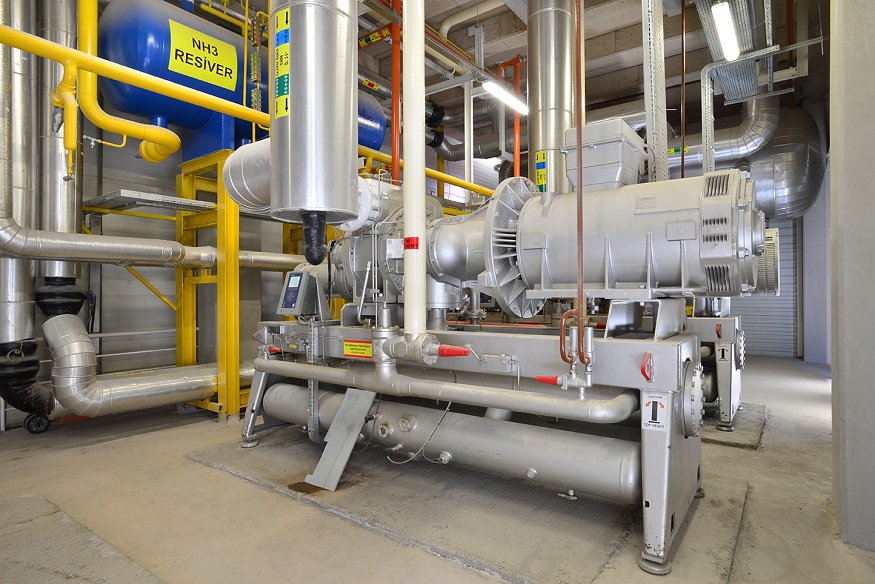
Ammonia is among the world’s most widely manufactured chemical. Its extensive use across industries highlights its importance in modern manufacturing. However, like many essential industrial chemicals, ammonia possesses hazardous characteristics that require proper safety measures, responsible management, and careful handling throughout its production, storage, transportation, and use to ensure the protection of people, facilities, and the environment. Hence, it is important to invest in the right ammonia handling systems.
An Insight into Reliable Ammonia Handling Systems
Ammonia handling systems play a vital role in many industrial facilities, providing the equipment and infrastructure needed to safely store, transfer, and process both anhydrous and aqueous ammonia. Because ammonia is a hazardous substance, every component within these systems must be engineered to meet strict safety requirements while delivering dependable performance.
Read More: Columbus Metal Recycling: How Industries Benefit from Scrap Management
Loading and unloading stations are among the most important elements of an ammonia handling network. These stations are designed to safely transfer ammonia between storage facilities and transport vehicles while minimizing the risk of leaks, spills, or operational disruptions. To withstand demanding operating conditions, unloading stations are constructed with durable materials and reinforced structures. This added strength helps protect the system from accidental impacts or situations where a connected truck may move unexpectedly. Robust construction significantly reduces the likelihood of equipment damage and ammonia releases. The quality of fabrication is equally important. High-grade TIG welding is commonly used for piping systems and structural assemblies because it provides strong, reliable joints that help prevent leaks and improve long-term durability. This level of craftsmanship enhances both safety and operational reliability.
Storage tanks are crucial to ammonia containment systems. Tanks built under the ASME Code for Unfired Pressure Vessels are specifically designed to safely store ammonia under pressure. Before being placed into service, these tanks undergo extensive inspections and testing procedures to verify their structural integrity and performance.
Read More: The Growing Importance of Plastic Storage Containers in Modern Storage Solutions
Modern ammonia storage solutions can be customized to meet a wide range of operational needs. Available options often include:
- Storage capacities ranging from 1,000 to 30,000 gallons
- Horizontal or vertical tank configurations
- Integrated vaporizers for anhydrous ammonia applications
- Advanced instrumentation for monitoring and control
- Automated valve systems and local control panels
- Vacuum breakers and pressure-relief devices for enhanced safety
- OSHA and CalOSHA-compliant ladders, walkways, and access platforms
- Ammonia leak detection systems for early hazard identification
Tank materials can be selected based on operating conditions and budget considerations. Painted carbon steel offers an economical solution, while stainless steel provides superior resistance to corrosion and extended service life. Access platforms may also be supplied with painted or galvanized finishes for additional durability.
Some industrial operations require ammonia handling equipment that can be transported between locations. Trailer-mounted tanks and mobile process skids offer a practical solution for these applications. These portable systems can be custom-engineered to satisfy specific transportation, storage, and processing requirements. Although designed for mobility, they maintain the same high safety standards and performance specifications found in permanent installations, ensuring secure ammonia handling wherever they are deployed.
Safe ammonia management depends on a carefully engineered combination of storage, transfer, and control equipment. Loading stations, storage tanks, pumps, and mobile systems must all work together to ensure reliable operation while minimizing safety risks. By adhering to recognized industry standards, utilizing quality materials, and incorporating advanced monitoring and safety features, ammonia handling systems provide the secure and efficient infrastructure needed for a wide range of industrial applications.